
Journal · Notable pieces ·
Hermès Shearling Jacket: Routine Cleaning and Conditioning
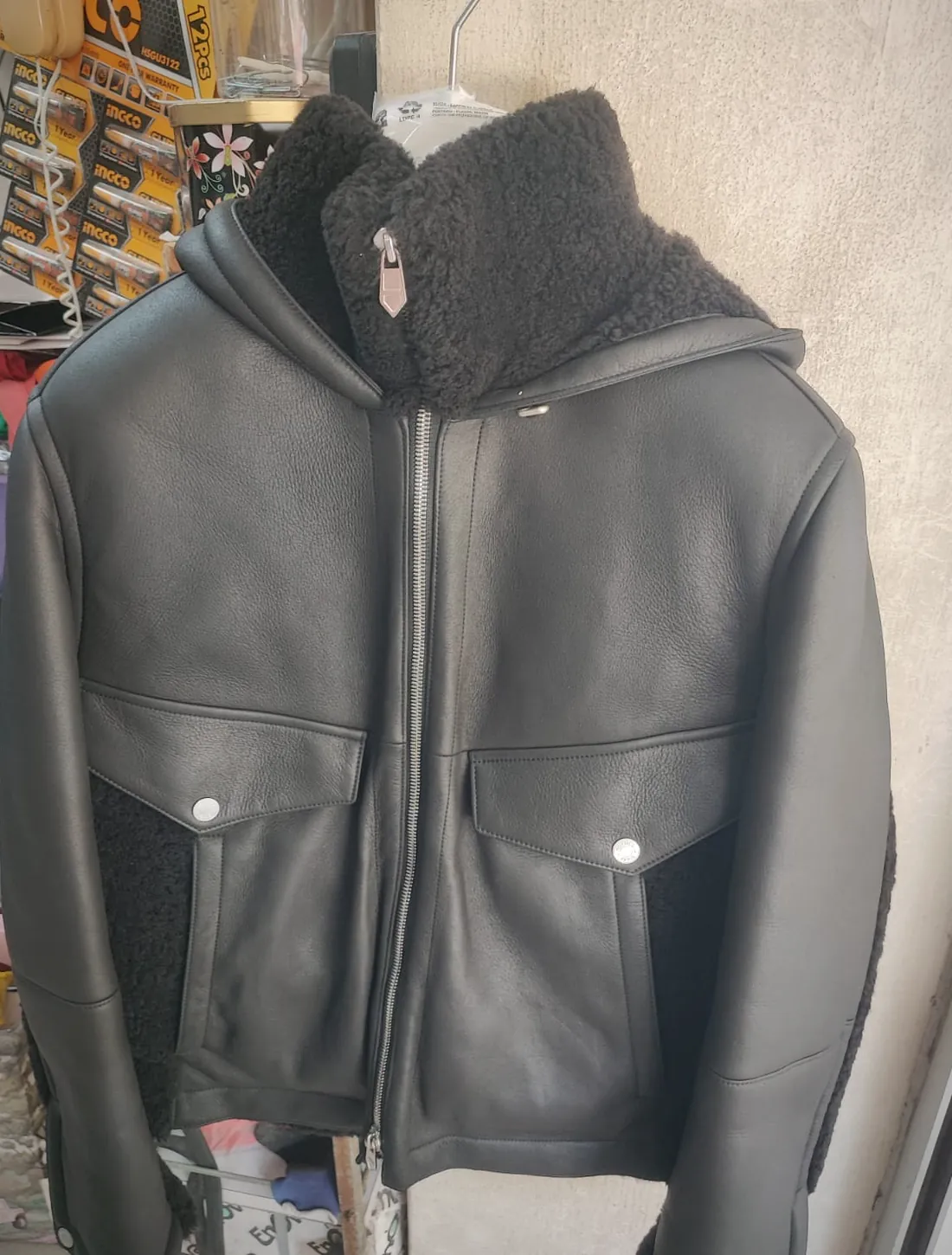
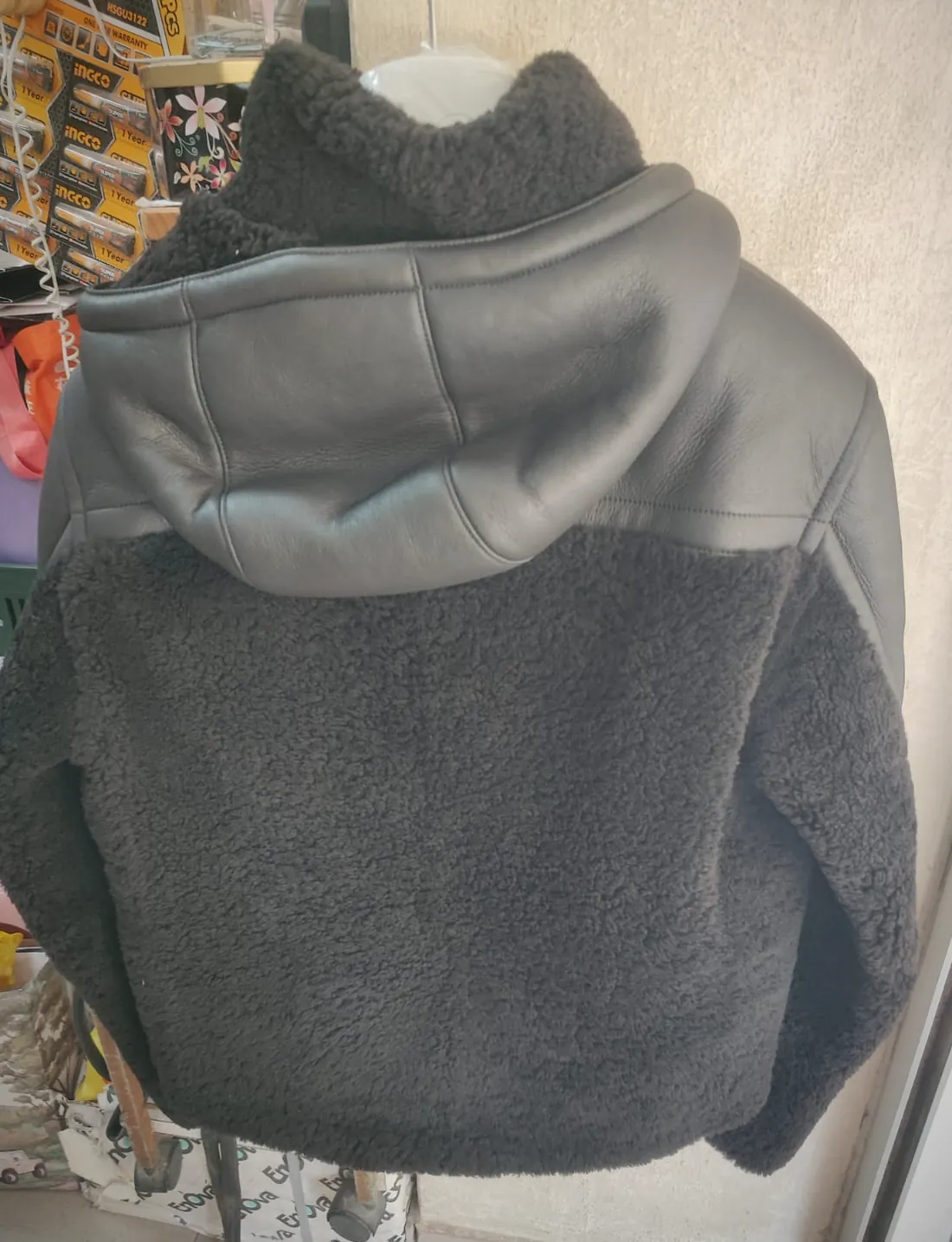
A full shearling Hermès jacket, in for routine cleaning and conditioning, and a good example of why shearling is one of the most demanding materials we handle.
What shearling actually is
Shearling is a single skin, tanned with the wool still attached. Hide on one face, fleece on the other, one material doing two jobs. That's what makes it warm, supple, and expensive, and also what makes it demanding. Anything that soaks the hide reaches the wool, and anything harsh enough to strip grime from the fleece can dry the leather behind it. Every treatment touches both faces, whether you intend it to or not.
The work
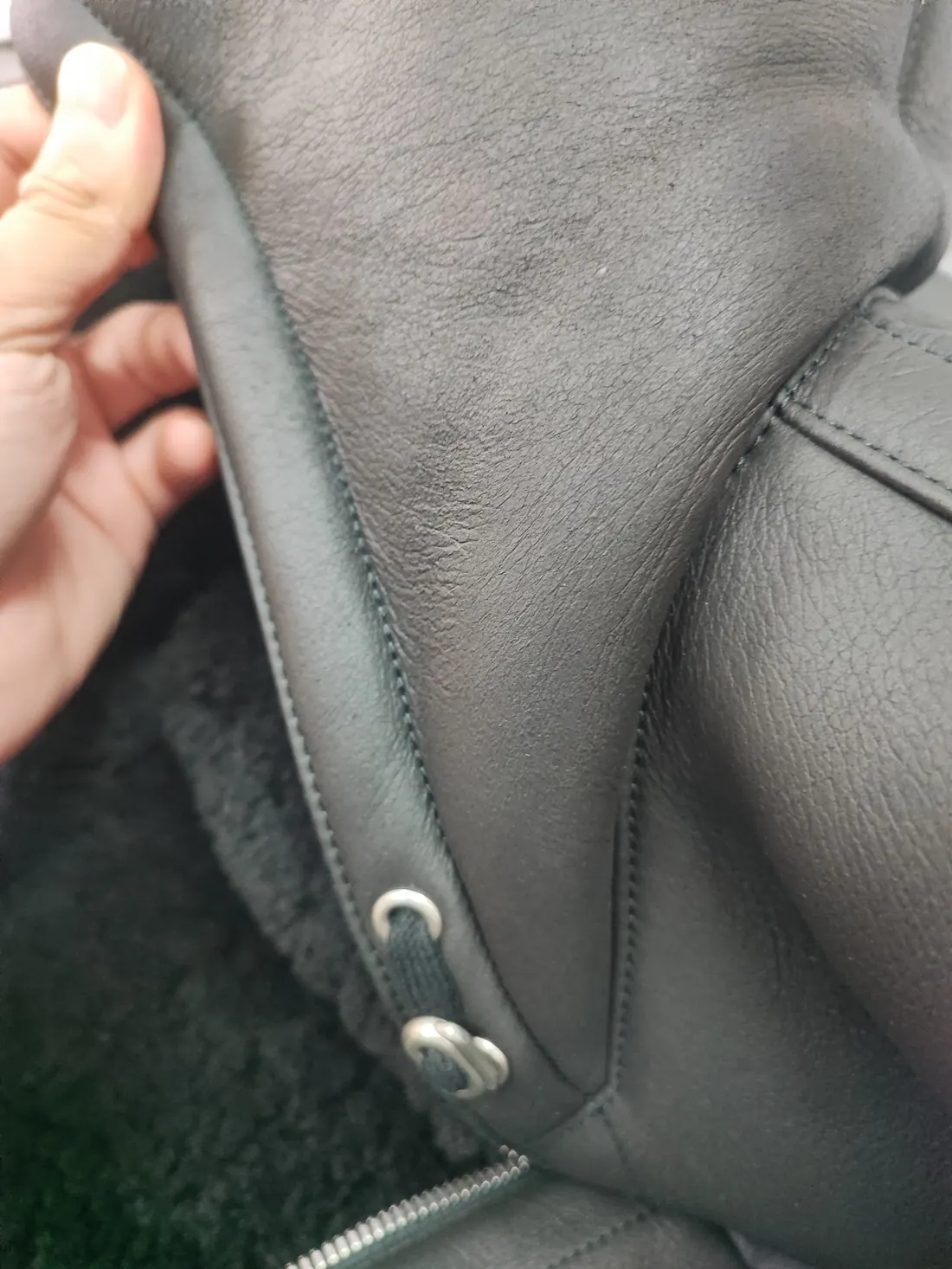
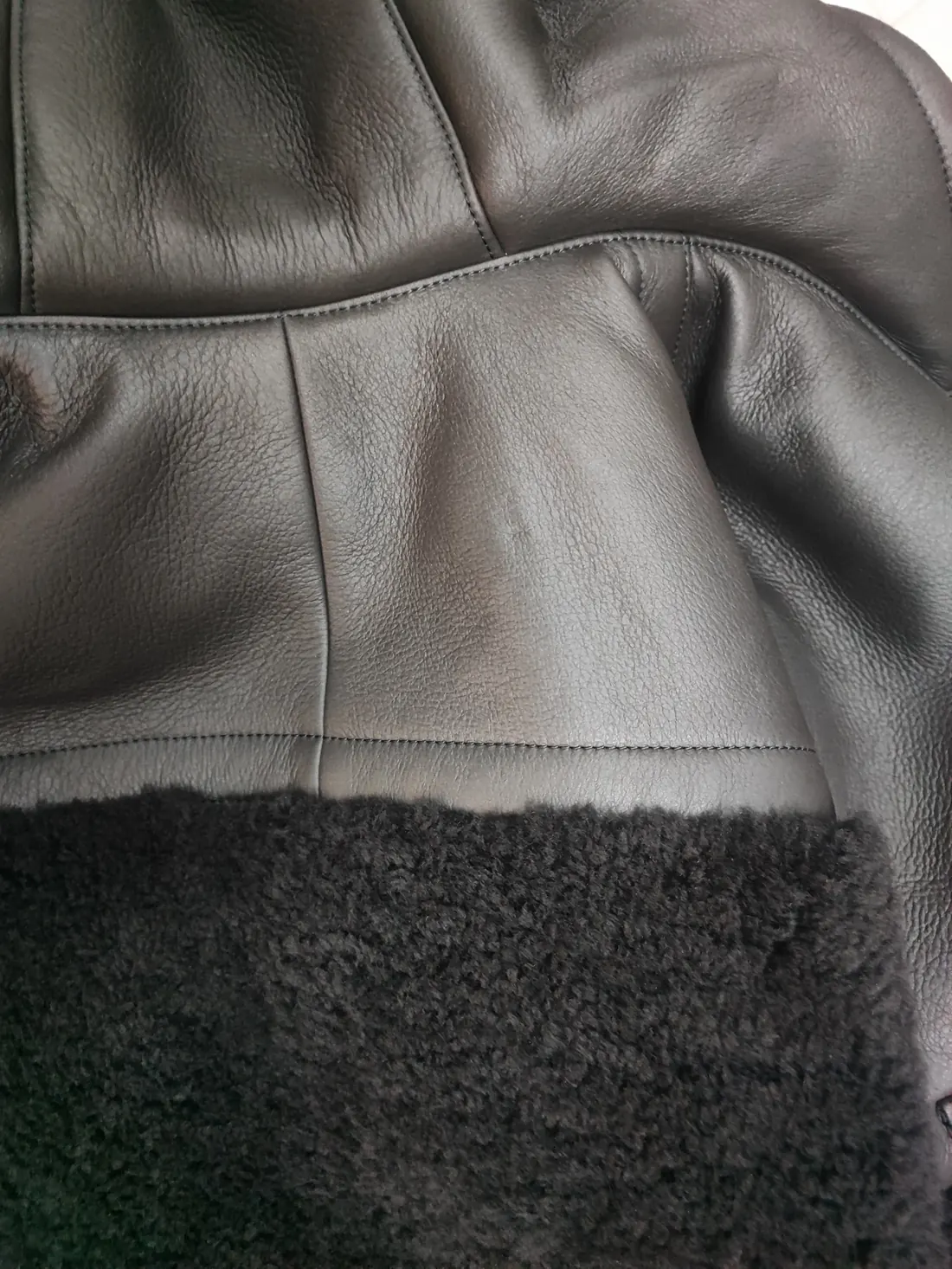
This piece came in healthy: the owner maintains it rather than waiting for a problem. Routine care for shearling means cleaning both faces gently, conditioning the hide so it stays supple, and keeping the wool lofty rather than matted, with slow, controlled drying throughout. Careful work, on a piece that would be expensive to replace.
The honest note
Shearling in Singapore spends most of its life in storage, coming out for travel, and storage is where it quietly suffers. A hide left years without conditioning dries and stiffens, compressed wool mats, and a humid wardrobe invites mould into both faces at once. Periodic care between trips keeps a piece like this alive, and it's far easier than recovery. As with all leather and skin, every piece is assessed individually: tanning, age, and condition decide what treatment a shearling can take, and we'll tell you what's right for yours before we begin.
Case practitioner and technical review: Zach Lim.
Related cases
More like this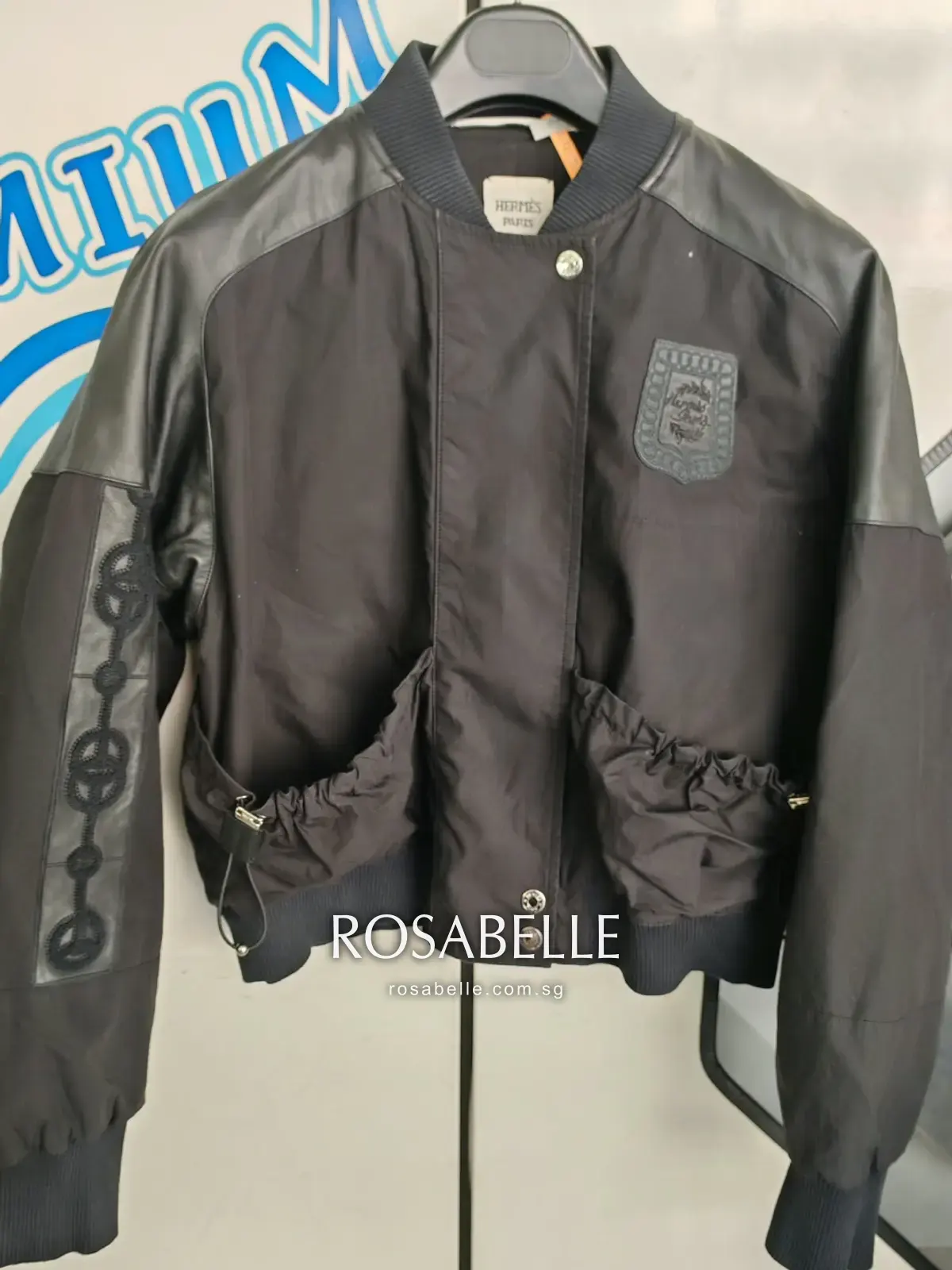

Common questions
Frequently asked
Can you dry clean a shearling jacket or coat?
Not by conventional dry cleaning, which removes the natural oils shearling needs. Shearling is a single skin tanned with the wool still attached, hide on one face and fleece on the other, so every treatment touches both. Routine care means cleaning both faces gently, conditioning the hide so it stays supple, and keeping the wool lofty rather than matted, with slow controlled drying throughout. Rosabelle in Singapore prices shearling after inspection; published leather guide prices start at $160 for a jacket, and leather work runs two weeks and upwards.
Why is shearling so difficult to clean?
Because it is one material doing two jobs. Anything that soaks the hide reaches the wool, and anything harsh enough to strip grime from the fleece can dry the leather behind it. That is what makes shearling one of the most demanding materials to handle, and why it is cleaned as skin rather than as a woven fabric.
How often should a shearling coat be cleaned?
Periodically, and ideally before it goes into storage rather than after. In Singapore a shearling spends most of its life in a wardrobe, and storage is where it quietly suffers: a hide left years without conditioning dries and stiffens, compressed wool mats, and a humid wardrobe invites mould into both faces. Periodic care between wears keeps a piece alive and is far easier than recovery.
Can every shearling be cleaned the same way?
No. Tanning, age and condition decide what treatment a shearling can take, so every piece is assessed individually before work begins. This Hermès jacket came in healthy because its owner maintains it rather than waiting for a problem, which is the ideal.