Journal · Care guide · Cleaning methods · Published · Updated
Professional Wet Cleaning vs Dry Cleaning: How They Differ and When Each Is Used
Dry cleaning uses a liquid solvent other than water as its main cleaning medium; professional wet cleaning uses water and detergent with controlled cleaning, drying and finishing. Common dry-cleaning solvents include perchloroethylene, hydrocarbon and silicone-based fluids.
Professional wet cleaning is not the same as a home wash. Neither method suits every garment: fibre, dyes, construction, trims, finish, soil, care label and previous treatment decide which is appropriate.
How do wet cleaning and dry cleaning compare?
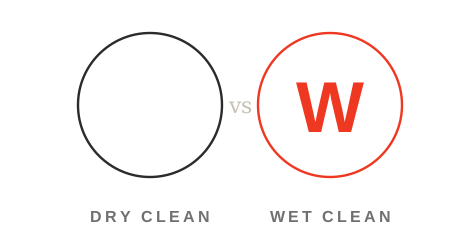
The main difference is the cleaning medium. Perchloroethylene (perc), hydrocarbon and silicone-based solvents are common options in dry cleaning. They are different chemistries, not interchangeable names for one fluid.
| Consideration | Dry cleaning | Professional wet cleaning |
|---|---|---|
| Cleaning medium | A non-water liquid solvent, with suitable cleaning aids. | Water and suitable detergent. |
| Typical soil strengths | Useful for oily and greasy soils; some marks need separate spotting. | Useful for water-soluble soils; detergent and stain treatment also matter. |
| Moisture exposure | Water is not the main medium; controlled moisture may still be used. | Water exposure is part of the process and must suit the garment. |
| Process control | Solvent, cleaning aids, action and drying must suit the item. | Detergent, mechanical action, temperature and drying moisture are controlled. |
| Finishing | Pressing or shaping is selected for the garment's construction and finish. | Controlled drying and appropriate shaping are part of the treatment. |
| Common misconception | It is not a liquid-free process or a guarantee against damage. | It is not equivalent to a domestic gentle wash or suitable for every item. |
Is professional wet cleaning the same as home washing?
No. Professional wet cleaning combines specialist equipment, cleaning aids and finishing. Selecting a delicate cycle at home does not reproduce the complete professional process or establish that a garment is suitable for it.
How is a cleaning method chosen for a garment?
The care label is the starting point. The garment's condition and the problem to be treated decide the rest. The framework below links each factor to a Rosabelle case where it shaped the work.
| Factor | What we check | Case example |
|---|---|---|
| Care label | Permitted processes and restrictions. A crossed-out W prohibits professional wet cleaning. | — |
| Fibre | The fibre content where known, and how it tolerates water or solvent. | Wool sweater after a home wash |
| Dyes | Colours that need protecting and signs of earlier colour loss. | Dior denim: cream trim beside indigo |
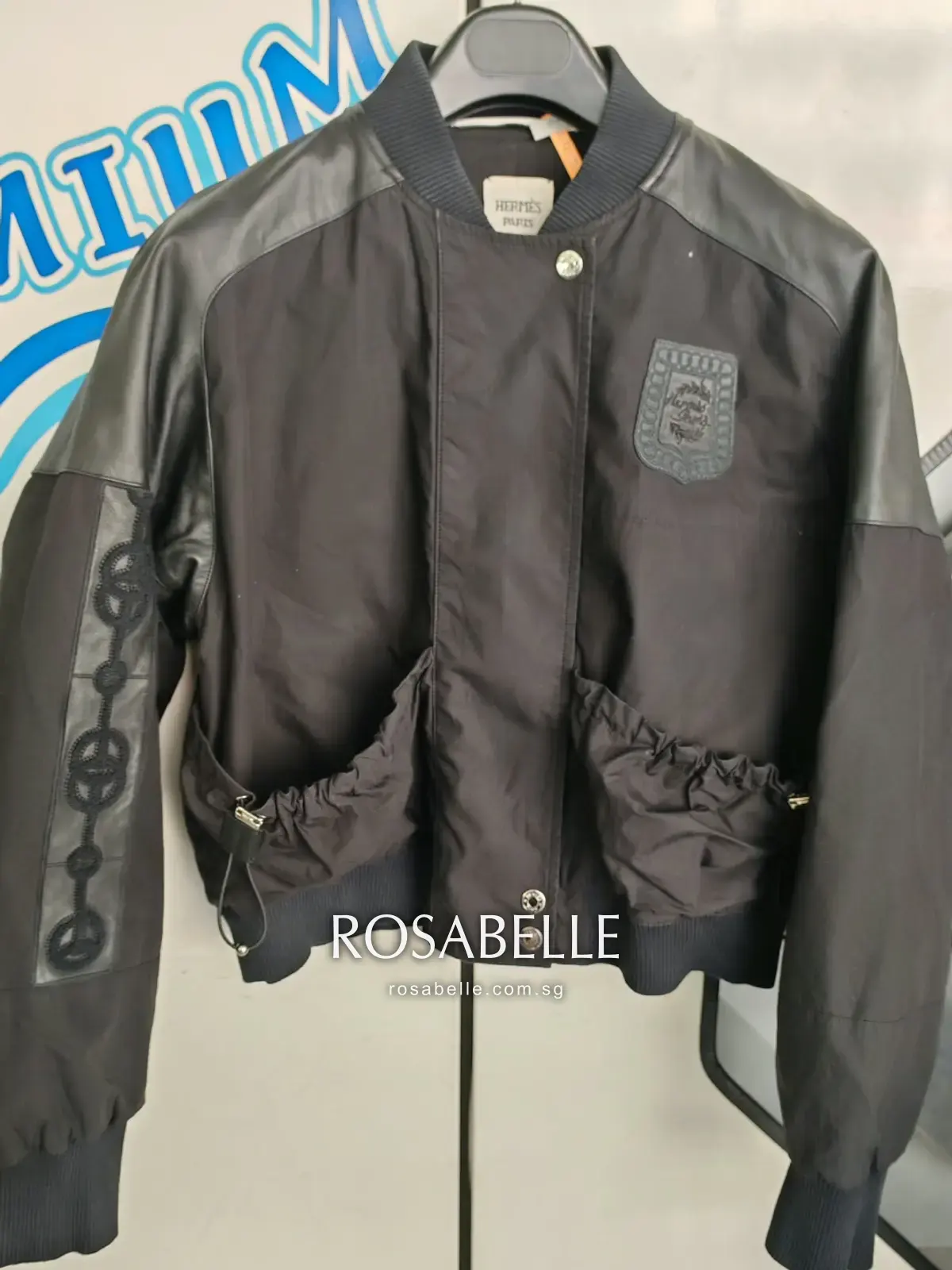
| Construction and trims | Linings, bonded layers, leather panels, embroidery. | Hermès bomber: lambskin, cotton and silk-blend rib |
| Finish | Pleats, textures or surface effects the treatment must preserve. | Issey Miyake Pleats Please trousers |
| Soil and stains | Water-soluble or oily soil; old marks that need separate spotting. | Zegna shirt: staged stain treatment |
| Previous treatment | Home washing, stain removers or earlier professional work. | Dior denim: patchy collar after home treatment |
| Condition | Existing damage and the risk that remains. | Zegna shirt: work another cleaner declined |
Before bringing a piece in, keep the label attached and tell us about any home washing, stain remover or earlier professional treatment. This is the assessment behind our dry cleaning and laundering; a particular stain may also need a separate stain-removal assessment.
The honest note
What are the risks and limits of each cleaning method?
Neither process guarantees complete stain removal or a damage-free result. Water exposure can affect dimensions, colour or texture on susceptible fabrics; solvent cleaning also has material and finish limitations. The relevant question is what this particular garment can tolerate.
Drying and shaping do not make every form of shrinkage reversible. A piece may need specialist handling beyond an ordinary wet- or dry-cleaning cycle. We may advise leaving a mark where further treatment risks the garment.
What do Rosabelle's garment cases show about cleaning decisions?
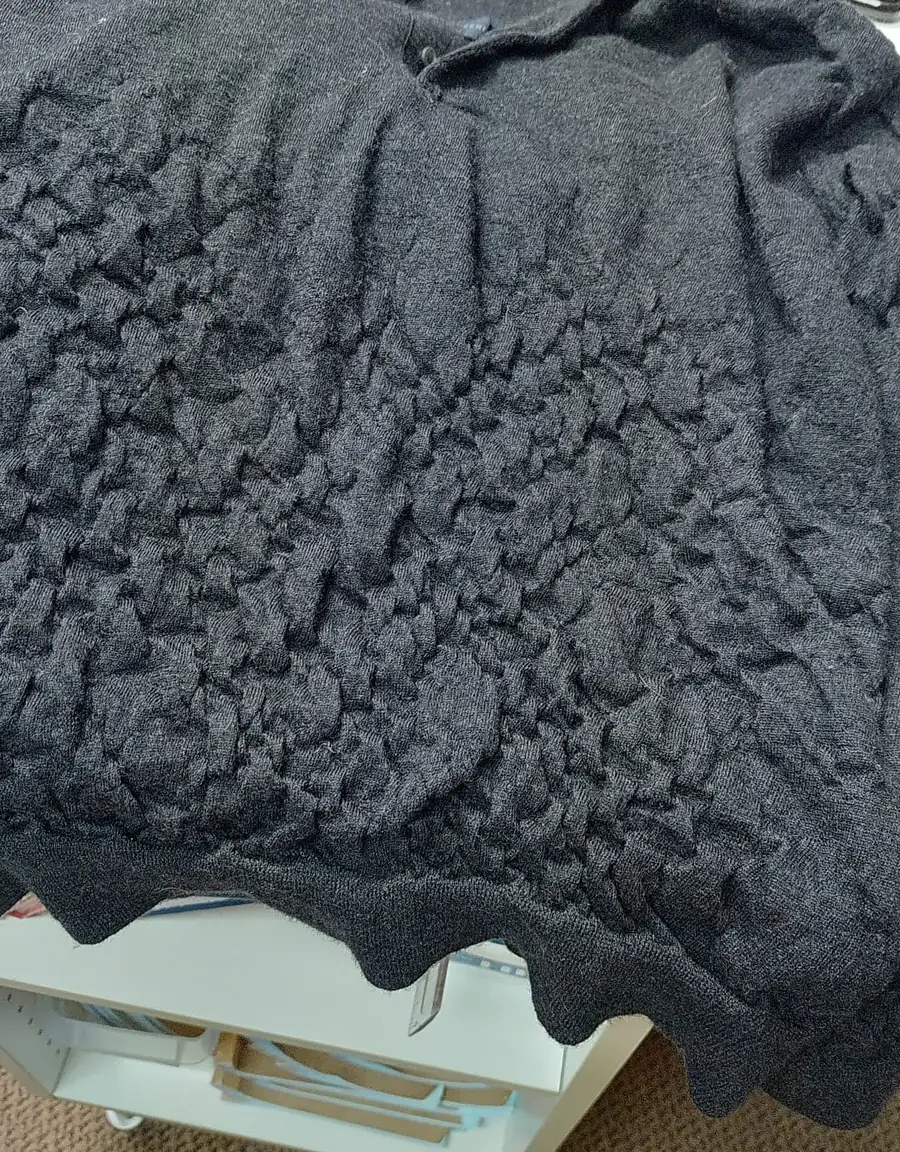
Our wool sweater reblocking case records one knit that responded after shrinking in a home wash. The Zegna shirt stain-removal case records staged treatment after another cleaner declined the work.
What are common misconceptions about wet cleaning and dry cleaning?
- “Dry cleaning means no liquid.” It uses liquid solvent; water is not the main medium.
- “Professional wet cleaning is a gentle home wash.” Cleaning, drying and finishing are considered together.
- “One method is always better.” A suitable process for one garment may be unsuitable for another.
- “A successful restoration proves the method is safe for mine.” Different dyes, construction, damage and previous treatment can change the result.
Guide by Rosabelle Launderette's garment-care team. Technical review: Zach Lim.
Workshop: Rosabelle Launderette, Singapore, established 1998. Case examples link to our own records; the sources below support the general process explanations.
Updated 17 September 2026: definition, comparison table, assessment framework and technical references added; solvent wording corrected. Updated 18 September 2026: layout revised with a decision framework linking each factor to a case.
Sources & further reading
- GINETEX — care symbols and professional-care restrictions
- US EPA — Wet Cleaning (historical explanation of process controls and cleaning media)
- Toxics Use Reduction Institute — alternatives to perchloroethylene
- Electrolux Professional — The Power of Water (manufacturer explanation)
- Woolmark — Wool Care logo guidelines, Professional Care, page 16
Related garment-care cases
More like this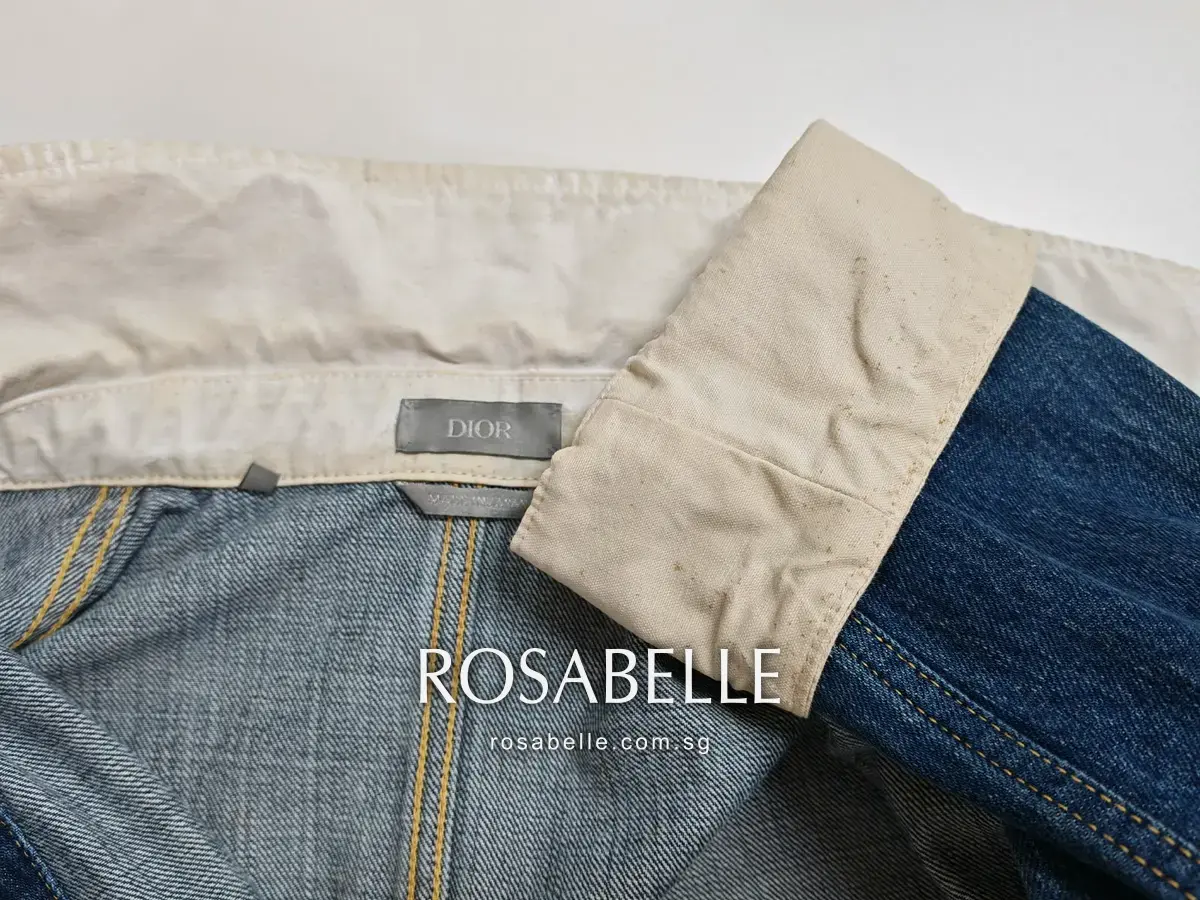
Common questions
Questions about wet cleaning and dry cleaning
Is wet cleaning or dry cleaning better?
Neither method is universally better. Dry cleaning can be useful for oily soils, while professional wet cleaning can be useful for water-soluble soils, but stains may need separate treatment. Rosabelle considers the garment's fibre, dyes, construction, trims, finish, care label and previous treatment before choosing a process.
Can wet cleaning shrink or damage clothes?
Yes, if the garment or process is unsuitable. Professional control of cleaning, drying and finishing helps manage risk, but does not eliminate it. At Rosabelle, tensioning, steaming and reshaping on forms are used when necessary; these steps do not make all shrinkage reversible.
Why is dry cleaning called 'dry' cleaning if it uses liquid?
Dry cleaning uses a liquid solvent other than water as its main cleaning medium. Common solvents include perchloroethylene, hydrocarbon and silicone-based fluids. The process may also involve detergent, spotting and controlled moisture, so 'dry' does not mean that no liquid or water is ever used.
Which stains come out better with wet cleaning than dry cleaning?
Water-soluble soils can respond to water-based treatment, while oily and greasy soils can respond to dry-cleaning solvents. A mark may contain several substances or have changed with age or previous treatment, so these categories do not guarantee removal. Spot treatment and the garment's tolerance also influence the approach.
Is wet cleaning safe for silk and wool?
Professional wet cleaning may be suitable for some silk and wool garments, but the fibre name alone cannot establish safety. Dyes, construction, finish, condition and care instructions all matter. Rosabelle assesses the actual piece rather than treating every silk or wool item alike.
How do I know if a garment should be dry cleaned or professionally wet cleaned?
Start with the complete care label and tell the cleaner what the garment is made from, what needs attention and any treatment already attempted. Rosabelle assesses those details alongside the construction and condition. A home delicate cycle is not a substitute for professional wet cleaning, and label restrictions need to be addressed before treatment.